
The Invisible Boom: How Data Centers Are Reshaping Texas Real Estate
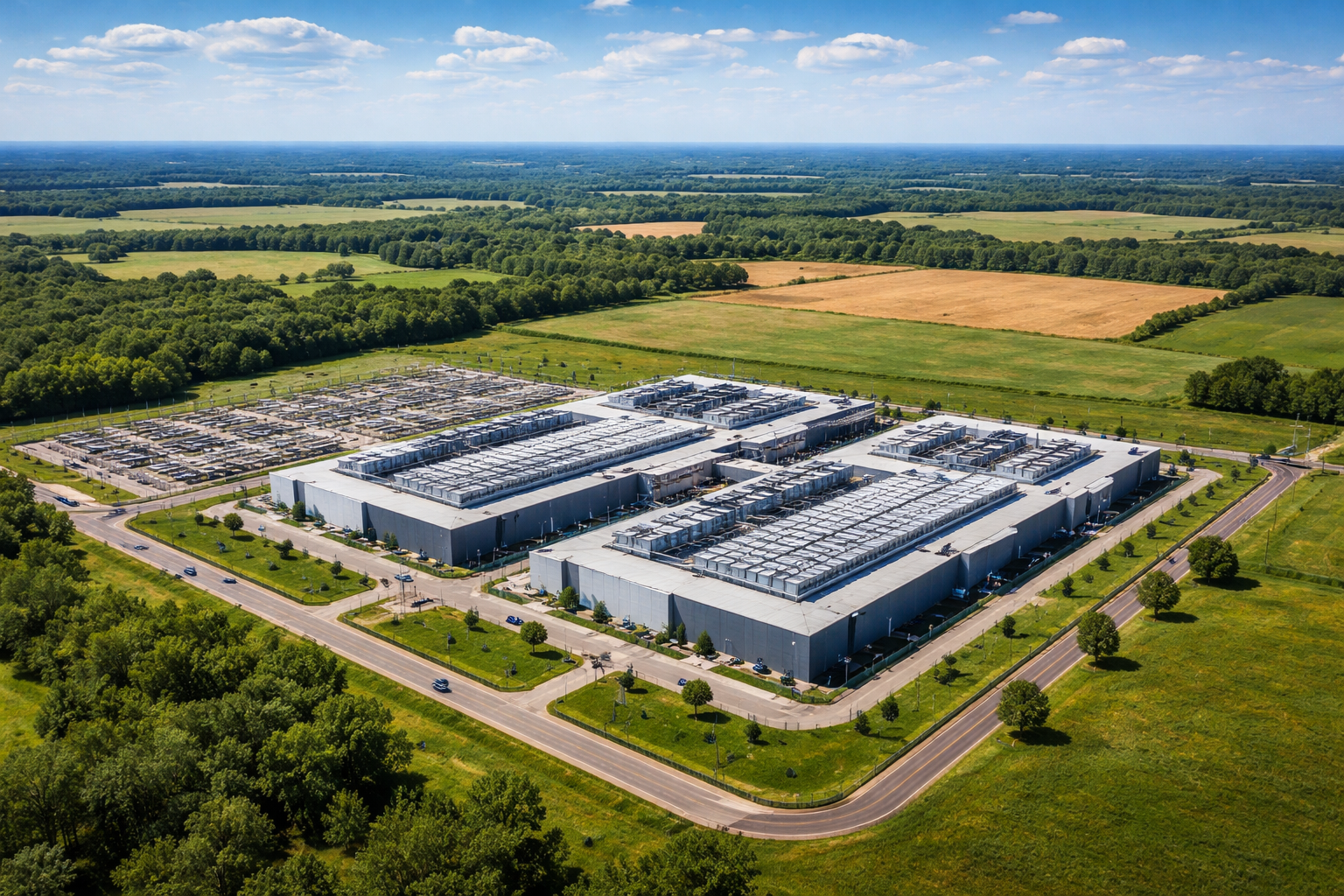
Drive through parts of West Texas, Dallas-Fort Worth, or even rural counties you’ve never heard of, and you’ll notice something strange: massive, windowless buildings surrounded by security fencing and power infrastructure. Not glamorous. Not Instagram-friendly. But these are the new oil wells.
Data centers.
And unlike traditional commercial real estate cycles, this one isn’t slowing down. It’s accelerating.
Why Texas Became Ground Zero
Texas didn’t stumble into this. It engineered it.
The state offers something data center operators obsess over: cheap land, abundant energy, fewer regulatory headaches, and direct access to power markets. (MarketWatch)
That combination is basically catnip for companies like Amazon, Google, Microsoft, and Meta, all of whom are pouring billions into infrastructure.
We’re not talking small numbers. The tech sector is projected to spend over $600 billion on AI infrastructure in 2026 alone, much of it tied to data centers. (Reuters)
And Texas is absorbing a huge chunk of that capital.
Even more aggressive:
Texas is on track to become the largest data center market in the world by 2030, surpassing Northern Virginia. (commercialsearch.com)
Yes, the entire world. Not bad for a state better known for cattle and pickup trucks.
The Immediate Impact on Texas Real Estate
Land Values Are Exploding in Unlikely Places
Data centers don’t need downtown skyscrapers. They need:
- Cheap land
- Proximity to power
- Fiber connectivity
That means rural and secondary markets are suddenly hot.
Areas near Abilene, West Texas, and parts of the Hill Country are seeing land demand spike, especially parcels near transmission lines or substations.
What used to be low-value ranch land is now strategic infrastructure real estate.
This is the kind of shift that quietly creates millionaires without headlines.
Industrial Real Estate Just Got a New King
For years, warehouses and logistics dominated industrial real estate.
Now? Data centers are eating that category alive.
They’ve gone from niche to core asset class, with record leasing activity and investor demand. (DataCenterKnowledge)
Institutional capital is treating data centers like prime office assets used to be.
Except:
- Longer leases
- More stable tenants
- Higher infrastructure barriers
Translation: less risk, more upside.
Power Access Is the New Location Strategy
Location used to mean “near highways” or “near population.”
Now it means:
“Can you get 100+ megawatts without waiting five years?”
Power is becoming the single biggest constraint in development. (DataCenterKnowledge)
This is flipping site selection on its head.
Developers aren’t just buying land.
They’re buying energy access.
Construction and Infrastructure Demand Is Surging
Every data center triggers a ripple effect:
- Roads
- Fiber networks
- Substations
- Water systems
This creates secondary real estate opportunities:
- Industrial suppliers
- Energy infrastructure
- Workforce housing
Even if the data center itself doesn’t employ thousands, the ecosystem around it absolutely does.
The Dark Side No One Likes to Talk About
Here’s where it stops sounding like a perfect investment brochure.
Energy Demand Is Becoming a Political Problem
Data centers consume absurd amounts of electricity.
Texas lawmakers are already investigating the strain on the grid and potential increases in energy costs. (Houston Chronicle)
Some facilities are building their own power plants just to keep up. (AP News)
That’s not normal real estate behavior. That’s infrastructure warfare.
Water Usage Is a Growing Constraint
Cooling systems require massive water consumption.
In a state already dealing with drought cycles, this becomes a serious issue.
Communities are starting to push back, especially in rural areas where water resources are limited.
Job Creation Is… Underwhelming
Here’s the uncomfortable truth:
Data centers don’t create many permanent jobs.
They create:
- Temporary construction booms
- Limited long-term employment
Which makes the whole “economic development” argument a bit shaky in some communities. (Wikipedia)
Local Resistance Is Rising
Residents are starting to complain about:
- Noise
- Land use
- Environmental impact
And unlike a warehouse or retail project, data centers are easy to oppose because they don’t feel “community-oriented.”
This tension is going to shape zoning laws and approvals moving forward.
The Future: What Happens Next
Data Centers Will Redefine “Prime Locations”
Forget city centers.
Future prime real estate in Texas will be:
- Near power infrastructure
- Near renewable energy sources
- In politically friendly counties
Energy + land = value.
Everything else is secondary.
AI Will Multiply Demand
AI workloads are pushing data centers to new extremes:
- Higher energy density
- More cooling requirements
- Larger campuses
By 2030, AI could represent half of all data center workloads, doubling infrastructure demand globally. (jll.com)
This isn’t a trend. It’s a structural shift.
Texas Will Attract Even More Institutional Capital
As traditional commercial real estate struggles:
- Office = unstable
- Retail = evolving
- Multifamily = crowded
Data centers are becoming the “safe bet.”
Expect:
- Private equity expansion
- REIT growth
- Cross-sector partnerships with energy companies
Hybrid Energy + Real Estate Deals Will Explode
Future developments won’t just be land deals.
They’ll look like:
- Land + solar farms
- Land + battery storage
- Land + private grid infrastructure
Real estate is merging with energy at a fundamental level.
Texas real estate is no longer just about location, demand, and population growth.
It’s about infrastructure dominance.
Data centers are turning land into something closer to a utility asset than a traditional property investment.
If you’re thinking like a 2015 real estate investor, you’re already behind.
If you’re thinking in terms of:
- energy access
- data infrastructure
- AI demand
Then you’re starting to see where this is going.
And if you’re still chasing retail strip centers… well, someone has to buy those too.